
Białowieża Forest: Europe’s Last Primeval Wilderness

Europe has few places where nature remains untouched by modern development. Białowieża Forest stands out as the continent’s last primeval wilderness, a rare glimpse into the ancient woodlands that once covered much of Europe. This forest, straddling the border between Poland and Belarus, offers a unique experience for nature lovers, scientists, and travelers seeking to connect with wild landscapes.
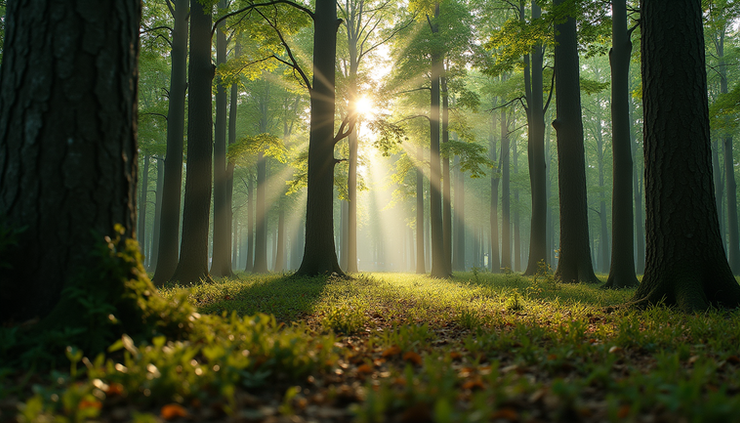
Widok na gęste, starożytne drzewa w Puszczy Białowieskiej z promieniami słońca przebijającymi się przez liście.
The Unique Nature of Białowieża Forest
Białowieża Forest covers around 1,500 square kilometers, with a core protected area that remains largely untouched by human activity. This forest is one of the last and largest remaining parts of the immense primeval forest that once stretched across the European Plain. Its ancient trees, some over 500 years old, create a habitat that supports a rich variety of plants and animals.
The forest is home to the European bison, the continent’s largest land mammal, which was once extinct in the wild but has been successfully reintroduced here. Alongside bison, visitors can find wolves, lynxes, wild boars, and over 250 bird species. The diversity of life in Białowieża is a direct result of its long history without significant human interference.
This is one of those places that feels far from the modern world — much like Biogradska Gora: One of Europe’s Last Ancient Forests.
History and Conservation Efforts
Białowieża Forest has a long history of protection. It was a royal hunting ground for Polish kings and Russian tsars, which helped preserve its natural state. In the 20th century, parts of the forest were designated as national parks in both Poland and Belarus. The forest is also a UNESCO World Heritage Site, recognized for its outstanding natural value.
Conservation efforts focus on maintaining the forest’s natural processes. Unlike many managed forests, Białowieża allows dead trees to remain, providing essential habitats for insects and birds. This approach supports biodiversity and helps scientists study natural forest dynamics.
Visiting Białowieża Forest
Visitors to Białowieża Forest can explore marked trails, guided tours, and educational centers. The forest offers a variety of experiences, from peaceful walks among ancient trees to wildlife watching. Early morning or late evening visits increase the chance of spotting elusive animals like deer or owls.
The village of Białowieża serves as a gateway to the forest, with accommodations and local guides available. Visitors should prepare for changing weather and bring appropriate gear for walking in natural terrain.

Widok z góry na żubra europejskiego pasącego się na polanie w Puszczy Białowieskiej.
Challenges Facing the Forest
Despite its protected status, Białowieża Forest faces challenges. Logging activities in some areas have sparked controversy, as they threaten the forest’s natural balance. Climate change also impacts the forest ecosystem, altering species distribution and forest health.
Efforts by conservation groups and local communities aim to balance human needs with nature protection. Sustainable tourism and education play key roles in raising awareness about the forest’s value and fragility.
Why Białowieża Forest Matters
Białowieża Forest is more than just a natural area; it is a living laboratory for understanding Europe’s ecological past. It provides insights into how forests function without human interference and serves as a refuge for endangered species.
For travelers, the forest offers a chance to experience wilderness in Europe, a rare opportunity in a continent where most landscapes are shaped by human hands. Protecting Białowieża means preserving a vital piece of natural heritage for future generations.
These landscapes inspire the handcrafted cabin and rustic lamps I build by hand in Idaho. You’ll find them at ClearwaterCabinLighting.com


Comments