
The Azores: Portugal’s Hidden Volcanic Paradise
- Mike Powers
- Dec 10, 2025
- 3 min read

Updated: Dec 20, 2025
Far out in the Atlantic Ocean, where the edge of Europe meets open water, nine islands emerge like emerald jewels. These islands form the Azores, a remote archipelago shaped by volcanic forces and cloaked in mist. This hidden paradise offers a unique blend of rugged landscapes, lush greenery, and a living earth that continues to evolve. For travelers seeking nature, adventure, and tranquility, the Azores provide an unforgettable experience far from the usual tourist paths.
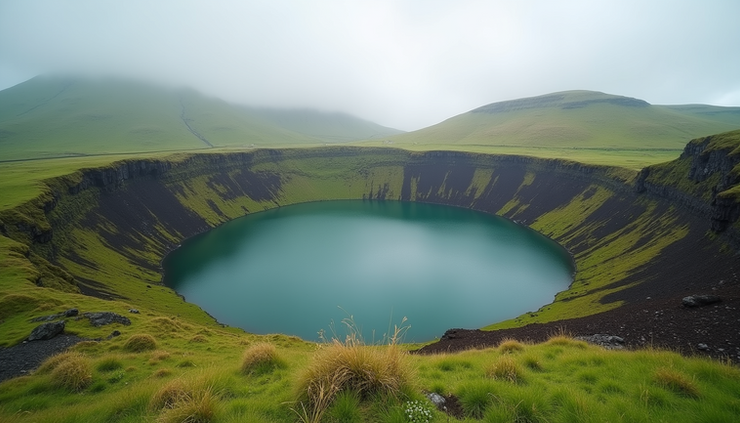
Volcanic Origins and Dramatic Landscapes
The Azores formed over millions of years through volcanic activity along the Mid-Atlantic Ridge. This geological setting means the islands are still geothermally active, with fumaroles, hot springs, and volcanic cones scattered across the archipelago. Each island has its own character shaped by eruptions, lava flows, and erosion.
São Miguel, the largest island, is famous for its crater lakes such as Lagoa das Sete Cidades and Lagoa do Fogo. These lakes sit in massive volcanic calderas, creating breathtaking views and excellent hiking opportunities. Pico Island boasts Portugal’s highest peak, Mount Pico, a dormant volcano rising 2,351 meters above sea level. Climbing this peak rewards visitors with panoramic views of the surrounding islands and the Atlantic.
The volcanic soil also supports rich vegetation, from dense laurel forests to vibrant hydrangea hedges lining country roads. This combination of volcanic rock and greenery creates striking contrasts that photographers and nature lovers cherish.
Unique Flora and Fauna
The Azores host many endemic species, plants and animals found nowhere else on Earth. The islands’ isolation has allowed unique ecosystems to develop, especially in protected areas like the Laurisilva forests. These ancient forests are remnants of a type of subtropical rainforest that once covered much of southern Europe.
Birdwatchers will find the Azores a paradise, with species such as the Azores bullfinch, a rare bird that lives only in the laurel forests of São Miguel. The surrounding Atlantic waters are rich in marine life, including dolphins, whales, and sea turtles. Whale watching tours operate year-round, offering close encounters with several species including sperm whales and blue whales.
Outdoor Adventures and Activities
The Azores offer a wide range of outdoor activities that let visitors explore the islands’ natural beauty up close. Hiking is one of the best ways to experience the volcanic landscapes, with well-marked trails ranging from easy walks to challenging climbs. Popular routes include the trail around Lagoa das Sete Cidades and the ascent of Mount Pico.
Water sports are also popular. The clear Atlantic waters invite swimming, snorkeling, and diving, especially around the islands of Faial and Santa Maria. Surfers find good waves on São Miguel and São Jorge. Kayaking along the coastlines reveals hidden caves and sea cliffs.
For those interested in geology and natural phenomena, geothermal spas and hot springs provide relaxing experiences. The Terra Nostra Park on São Miguel features a large thermal pool surrounded by botanical gardens, perfect for unwinding after a day of hiking.

Culture and Local Life
Despite their remote location, the Azores have a rich cultural heritage shaped by centuries of settlement and seafaring. The islands’ towns and villages feature colorful houses, traditional churches, and lively markets. Local festivals celebrate religious traditions, music, and the sea, often including boat races and folk dances.
Azorean cuisine highlights fresh seafood, local cheeses, and unique dishes such as cozido das Furnas. This stew is slow-cooked underground using volcanic heat, a culinary tradition that reflects the islands’ volcanic nature. Visitors can taste this dish in the village of Furnas, where geothermal vents cook food beneath the earth.
The islands also produce excellent wines, especially on Pico Island, where vineyards grow in black volcanic soil protected by stone walls. These wines have gained international recognition for their quality and distinct flavor.
Practical Tips for Visiting the Azores
Getting there: Flights connect the Azores to mainland Portugal and other European cities. São Miguel’s Ponta Delgada airport is the main gateway.
Getting around: Renting a car is the best way to explore the islands independently. Public transport exists but is limited.
Best time to visit: The Azores enjoy mild weather year-round. Spring and early summer offer blooming flowers and fewer tourists.
Accommodation: Options range from cozy guesthouses to boutique hotels and rural farm stays.
Respect nature: The Azores are a protected environment. Visitors should follow marked trails and avoid disturbing wildlife.


Comments