
The Pangolin’s Story: A Rare Mammal Worth Saving
- Mike Powers
- Nov 29, 2025
- 3 min read

Updated: Dec 31, 2025
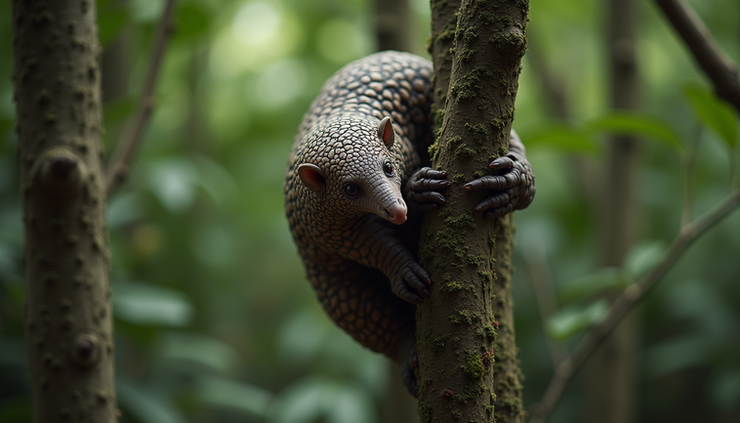
The pangolin is one of the most unusual mammals on Earth. Covered in hard keratin scales, it stands apart as the only mammal with this unique armor. Despite its fascinating nature, the pangolin faces a grave threat: it is the most trafficked mammal worldwide. This quiet, shy creature from Africa and Asia deserves more attention and protection. Understanding its story helps us appreciate why saving pangolins matters.

What Makes the Pangolin Unique
Pangolins are often called “scaly anteaters” because of their diet and appearance. Their bodies are covered with tough, overlapping scales made of keratin, the same material found in human nails. These scales protect pangolins from predators. When threatened, a pangolin curls into a tight ball, using its scales as armor.
Unlike many mammals, pangolins do not have teeth. Instead, they rely on a long, sticky tongue to catch ants and termites. Their diet consists almost entirely of these insects, which they find using a keen sense of smell. This specialized feeding habit makes pangolins important for controlling insect populations in their ecosystems.
Pangolins live in forests, grasslands, and savannas across Africa and Asia. Different species have adapted to various environments, from burrowing underground to climbing trees. Despite their adaptability, pangolins remain elusive and rarely seen in the wild.
If the wildlife here caught your attention, Discover the Island Fox: California’s Rare Endemic Species offers another fascinating example.
The Threat of Illegal Trafficking
Pangolins face a severe threat from illegal wildlife trafficking. Their scales are highly valued in traditional medicine, especially in parts of Asia, where they are believed to have healing properties. This demand drives a black market that has pushed pangolin populations to the brink.
Every year, thousands of pangolins are captured and sold illegally. This trade is the largest for any mammal, surpassing even elephants and rhinos in volume. The impact is devastating: some pangolin species are now critically endangered.
Conservation groups and governments have increased efforts to stop trafficking. International laws, such as those under CITES (the Convention on International Trade in Endangered Species), ban the trade of pangolins. Still, enforcement remains a challenge due to the high profits involved.
How Pangolins Help Their Ecosystems
Pangolins play a vital role in their habitats. By feeding on ants and termites, they help control insect populations that could otherwise damage plants and crops. Their digging behavior aerates the soil, promoting healthy plant growth.
In some regions, pangolins are considered indicators of ecosystem health. A stable pangolin population suggests a balanced environment with sufficient insect prey and intact habitats. Losing pangolins could disrupt these natural processes, affecting other wildlife and local communities.
What Can Be Done to Protect Pangolins
Protecting pangolins requires a combination of actions:
Strengthening law enforcement to crack down on illegal trafficking networks.
Raising public awareness about the pangolin’s plight and discouraging demand for their scales.
Supporting habitat conservation to ensure pangolins have safe places to live and feed.
Encouraging community involvement in conservation efforts, especially in areas where pangolins live.
Several organizations work on pangolin conservation, including rescue centers that rehabilitate trafficked animals and release them back into the wild. Research projects also help by tracking pangolin populations and studying their behavior.
How You Can Help
Individuals can contribute to pangolin conservation in meaningful ways:
Avoid buying products made from pangolin scales or meat.
Support wildlife charities that focus on pangolin protection.
Share accurate information about pangolins to raise awareness.
Advocate for stronger wildlife protection laws in your community.
Every small action adds up. By choosing to protect pangolins, we help preserve biodiversity and maintain healthy ecosystems.


Comments