
Eurasian Otters of Estonia: A Quiet Wildlife Comeback

Updated: Jan 17
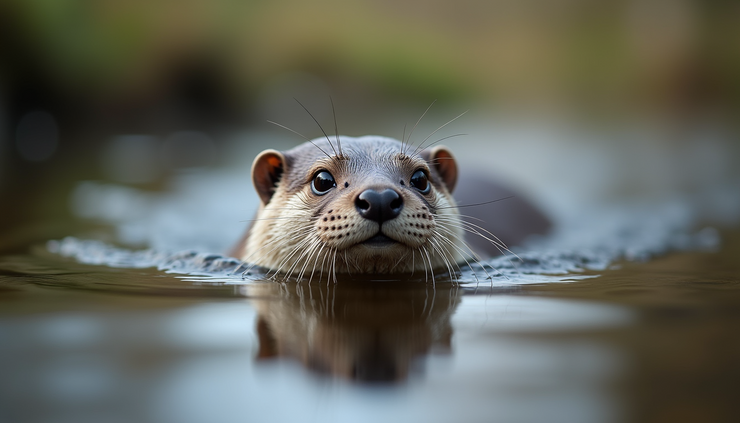
The sight of Eurasian otters peeking out from snowy riverbanks in Estonia is a sign of hope for wildlife lovers. These playful creatures, with their frosted faces and curious eyes, seem to have rediscovered winter in a way that few other animals do. Estonia has become one of the best places in Europe to spot Eurasian otters, thanks to its clean rivers, extensive wetlands, and rich coastline. This blog explores the remarkable recovery of this protected species, their habitat, and what their comeback means for Estonia’s natural heritage.

The Rise of Eurasian Otters in Estonia
Eurasian otters (Lutra lutra) once faced a steep decline in Estonia. Before the year 2000, their population had dropped to a worrying low of about 300 individuals. This decline was largely due to habitat loss, pollution, and hunting pressures. Since then, conservation efforts and improved environmental policies have helped the otters make a strong comeback. Today, the population is estimated to be around 2,000, a significant increase that reflects the success of these measures.
Estonia’s rivers and wetlands provide ideal conditions for otters. The water quality is high, and the abundance of fish and other aquatic prey supports their diet. The country’s commitment to protecting natural habitats has played a crucial role in this recovery. In 2024, the Eurasian otter was named Estonia’s Animal of the Year, highlighting its importance to the nation’s biodiversity.
Where to Spot Eurasian Otters in Estonia
If you want to see Eurasian otters in the wild, Estonia offers several excellent locations:
Soomaa National Park: Known for its vast wetlands and floodplain forests, this park is a prime habitat for otters. The seasonal floods create rich feeding grounds.
Lahemaa National Park: With its mix of forests, rivers, and coastline, Lahemaa supports a healthy otter population.
Pärnu River and Coastal Areas: These waters are rich in fish, attracting otters especially during colder months.
If the wildlife here caught your attention, The Arctic Fox: Master of Survival in the Arctic Tundra offers another fascinating example.
Otters are mostly active at dawn and dusk, so early morning or late evening visits increase your chances of spotting them. Look for signs such as slides into the water, spraint (otter droppings), and the distinctive tracks they leave in soft mud or snow.

The Importance of Clean Water and Protected Habitats
The comeback of Eurasian otters in Estonia is closely linked to the health of aquatic ecosystems. Otters depend on clean water and abundant prey. Pollution from agriculture, industry, and urban areas can harm fish populations and reduce water quality, threatening otters’ survival.
Estonia’s efforts to reduce pollution and protect wetlands have created a safer environment for otters. These habitats also support many other species, making conservation efforts beneficial for overall biodiversity. Protecting rivers and wetlands helps maintain natural water cycles and supports local communities that rely on fishing and tourism.
What the Otters’ Return Means for Estonia
The growing otter population is a sign that Estonia’s natural ecosystems are recovering. It shows that wildlife can thrive when given the right conditions and protection. Otters also serve as an indicator species: their presence signals a healthy environment.
For nature enthusiasts and photographers, the otters offer a unique chance to observe a species that was once rare in the region. Their playful behavior and family groups, especially pups exploring their surroundings, make for memorable wildlife experiences.
How You Can Help Support Otters and Their Habitat
Everyone can play a part in supporting the Eurasian otter’s continued recovery:
Respect wildlife habitats by keeping a safe distance and avoiding disturbance.
Support conservation organizations working to protect wetlands and rivers.
Reduce pollution by minimizing the use of harmful chemicals and properly disposing of waste.
Promote awareness about the importance of clean water and healthy ecosystems.
By valuing and protecting natural spaces, we help ensure that otters and many other species continue to thrive in Estonia and beyond.


Comments