
Remote Eastern Lakes in Washington’s Alpine Lakes Wilderness

The Alpine Lakes Wilderness in Washington State is famous for its stunning mountain scenery and crystal-clear lakes. While many visitors flock to the western side of the wilderness, the far eastern lakes offer a quieter, more remote experience. These lakes are less crowded, surrounded by rugged terrain, and provide a true escape into nature. This post explores the unique appeal of the far eastern lakes in the Alpine Lakes Wilderness, how to reach them, and what to expect when you visit.

Discovering the Far Eastern Lakes
The far eastern lakes of the Alpine Lakes Wilderness lie closer to the Cascade crest’s eastern slopes. These lakes are tucked away in less accessible valleys and basins, making them ideal for hikers who want solitude and a more rugged adventure. Unlike the popular lakes near Snoqualmie Pass or Stevens Pass, these eastern lakes see fewer visitors, which means you can enjoy peaceful waters, abundant wildlife, and untouched landscapes.
Some notable lakes in this area include:
Lake Augusta: A stunning lake surrounded by granite cliffs and alpine meadows. It’s a favorite for backpackers seeking a challenging route.
Colchuck Lake: Known for its striking turquoise water and views of Dragontail Peak, this lake is a bit more accessible but still feels remote.
Snow Lake (Eastern Access): While Snow Lake is popular, the eastern approach offers a quieter trail and a different perspective.
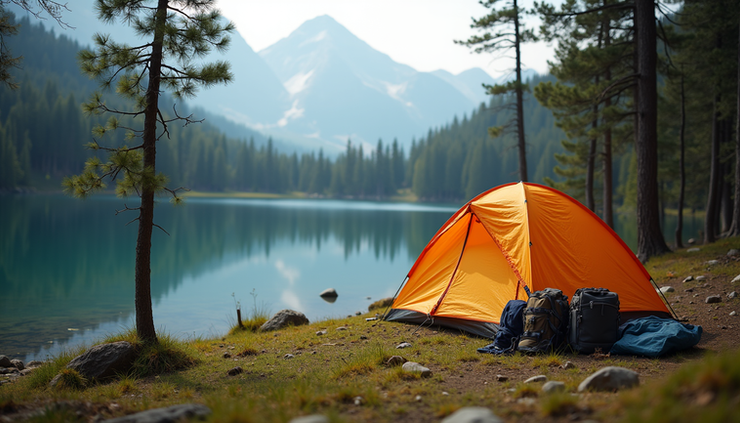
These lakes are perfect for camping, fishing, and photography. The remoteness means you should be prepared for backcountry conditions and limited cell service.
How to Reach the Eastern Lakes
Accessing the far eastern lakes requires more planning and effort than the western side. Trails here are longer, steeper, and less maintained, so they suit experienced hikers and backpackers.
Common Trailheads
Icicle Creek Trailhead: This is a gateway to several eastern lakes, including Colchuck Lake. The trail climbs steadily through forest and rocky terrain.
Lake Augusta Trailhead: Located near the town of Leavenworth, this trail leads to Lake Augusta and connects to other alpine lakes.
Snow Lakes Trailhead (East Side): For those wanting to approach Snow Lake from the east, this trailhead offers a quieter route.
Tips for the Journey
Prepare for elevation gain: Trails to these lakes often climb 2,000 feet or more.
Bring a detailed map or GPS: Cell service is unreliable.
Start early: Longer hikes require early starts to avoid afternoon thunderstorms common in summer.
Pack for backcountry camping: If you plan to stay overnight, bring a tent, food, and bear-proof containers.
For another place where nature still feels untouched, see Big Bend Ranch State Park: Texas’s Wildest Hidden Desert.
What to Expect at the Lakes
The far eastern lakes offer a different experience from the more crowded western lakes. Here’s what you can look forward to:
Scenic Beauty
The lakes sit in dramatic alpine basins surrounded by jagged peaks and granite cliffs. The water is often clear and cold, reflecting the sky and mountains. Wildflowers bloom in summer, and the changing colors of fall add a new dimension to the landscape.
Wildlife Encounters
Because these areas see fewer visitors, wildlife is more abundant. You might spot marmots, mountain goats, or even black bears. Birdwatchers can enjoy species like the Clark’s nutcracker or mountain bluebird.
Peace and Quiet
The remoteness means you can enjoy the sounds of nature without interruption. The gentle lapping of water, wind through the trees, and calls of distant birds create a calming atmosphere.

Safety and Conservation
Visiting remote wilderness areas requires respect for nature and safety precautions.
Leave no trace: Pack out all trash, avoid disturbing plants and wildlife, and camp only in designated areas.
Check weather forecasts: Mountain weather can change quickly.
Carry bear spray: Bears inhabit this region, so be prepared and know how to use it.
Inform someone of your plans: Let a friend or family member know your route and expected return.
Planning Your Trip
To make the most of your visit to the far eastern lakes, consider these practical tips:
Choose the right season: Late summer to early fall offers the best weather and trail conditions.
Bring proper gear: Sturdy hiking boots, layered clothing, and plenty of water are essential.
Plan your route: Some lakes can be combined into multi-day backpacking trips.
Consider guided trips: If you’re new to backcountry hiking, local guides can provide expertise and safety.
These landscapes inspire the handcrafted cabin and rustic lamps I build by hand in Idaho. You’ll find them at ClearwaterCabinLighting.com


Comments